




Common Problems with Car Fuse Boxes and How to Fix The
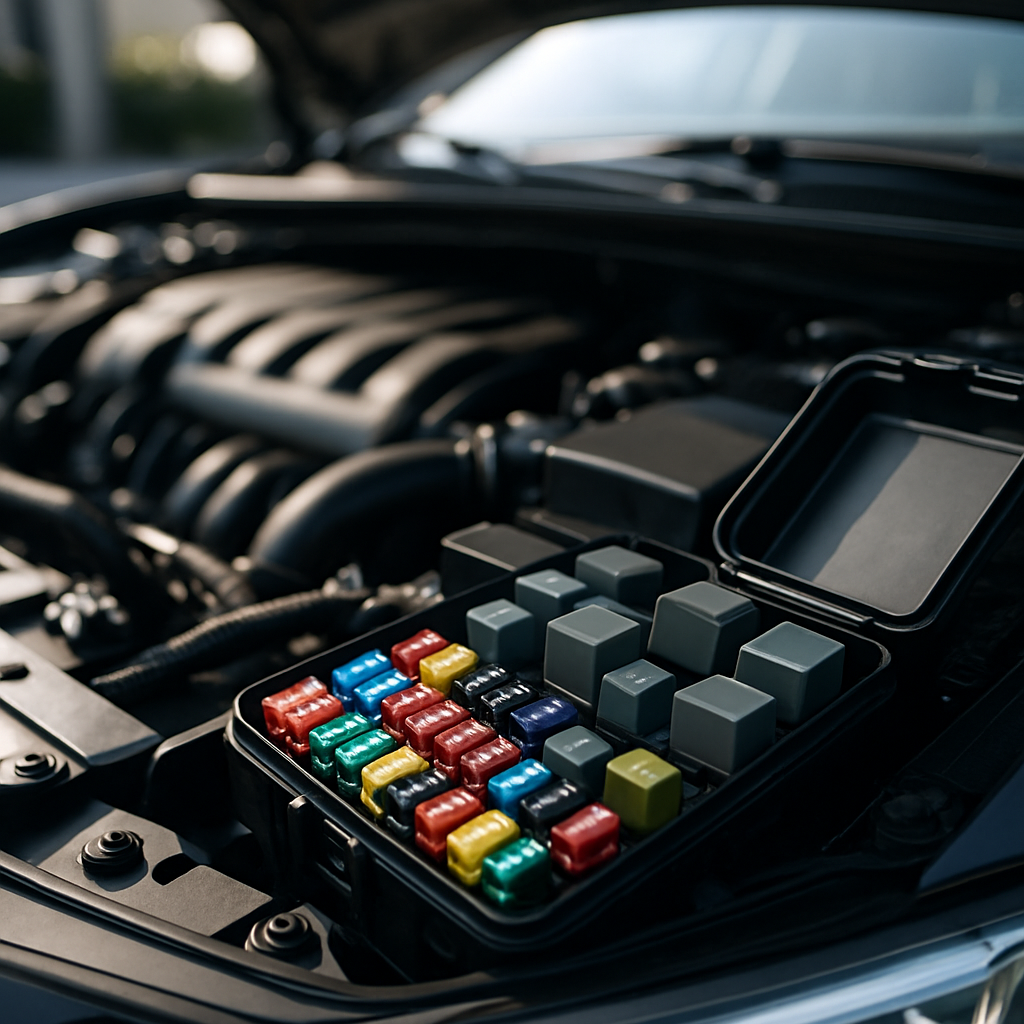
A car fuse box controls and protects a vehicle's electrical circuits. It keeps lights, the starter, and accessories safe by interrupting dangerous currents.
TL;DR / Key Takeaways
-
Fuse boxes protect critical circuits; multiple failing systems often point to fuse box trouble.
-
Common causes: overloads, short circuits, moisture/corrosion, and aging terminals.
-
Many issues can be diagnosed at home with visual checks, a multimeter, and correct fuses.
-
Replacement costs typically range from $150 to $600; Automan Spare Parts offers OEM-compatible units with a 30-day warranty at automanspareparts.com/collections/fuse-box.
-
Regular inspections and correct part compatibility prevent repeated fuse blows.
What is a car fuse box and why it matters
A fuse box isolates faults and protects wiring and components. It contains fuses sized to each circuit and relays that switch higher loads. For example, headlight, starter, and fuel pump circuits depend on correctly rated fuses. A failing fuse box can affect many systems at once. The box works with the battery, alternator, and wiring harness to deliver safe power.
Common symptoms indicating fuse box problems
Look for multiple electrical failures or repeated blown fuses. Symptoms include flickering dash lights, dead radio, windows not working, or a car that won't start. Burning smells or melted plastic point to serious heat or arcing. Repeated fuse blows usually mean a short or overload, not just a bad fuse.
Causes and prevention
Most problems come from shorts, moisture, or age. Aftermarket accessories can overload circuits. Water intrusion creates corrosion and poor contacts. Old terminals wear and lose clamp force. Prevention focuses on correct fuse ratings, dry housings, and quality parts. Regularly inspect for corrosion and avoid non-approved accessories.
How to diagnose safely
Start with a safety park on dry ground, remove the key, and disconnect the negative battery terminal. Wear eye protection. Inspect fuses and relays visually for burn marks or corrosion. Use a multimeter to test fuse continuity and voltage at relay sockets. Swap relays with identical known-good units to test relays. If you find melted plastic or sparking, stop and get a professional.
DIY step-by-step fixes
Begin by powering down and labeling circuits. Replace blown fuses with the exact amperage rating. Clean corroded terminals with a brush and apply dielectric grease sparingly. Test relays and swap to isolate faults. Repair frayed wiring with heat-shrink and solder or proper crimp connectors. If multiple circuits fail or the housing is damaged, prepare to replace the fuse box.
When to repair versus replace
Repair small issues like a single corroded terminal or a bad relay. Replace the box for widespread damage, repeat fuse blows across circuits, or melted parts. Compare repair cost to replacement cost and consider reliability. OEM-grade replacements often last longer and match factory wiring.
How to choose the right fuse box
Choose by model, year, and engine type and confirm part numbers. Compare OEM versus aftermarket for fit and warranty. Check terminal types, connector orientation, and circuit count. For a trusted source and clear compatibility, see Automan Spare Parts’ fuse box collection at automanspareparts.com/collections/fuse-box. For safety standards and recall info, check the NHTSA site: https://www.nhtsa.gov/.
Maintenance tips to extend life
Inspect the fuse box every six to twelve months. Keep the area dry and seal any cabin or engine-bay leaks. Replace old fuses from reputable brands. Avoid splicing high-draw accessories into small-gauge factory circuits.
Real examples
Case A: A blown fuse stopped power windows; replacing the fuse restored function.
Case B: Corrosion produced intermittent headlights; replacing the fuse box cured the issue.
Case C: A burning smell and melted fuse holders forced a full wiring and fuse box replacement.
Cost, warranty, and availability Expect most replacements to fall between $150 and $600. Automan Spare Parts lists OEM-compatible units from about $49 to $499 and provides a 30-day warranty. Look for clear return policies and fast shipping when buying.
Summary
Fuse box problems often show as multiple failing systems, repeated fuse blows, or burning smells. Many issues are diagnosable and repairable with safe steps and correct parts. For full replacements, prioritize OEM-compatible units and clear compatibility to avoid repeat problems. For parts and compatibility options, visit Automan Spare Parts and check NHTSA for safety notices.
FAQ
How do I know if my car fuse box is bad?
Look for multiple circuits failing, visible corrosion, or a burning smell; test fuses and relays with a multimeter.
Can a bad fuse box cause my car to stall or not start?
Yes. If the starting or ignition circuits lose power, it can cause no-starts or stalling.
Why do car fuses blow repeatedly?
Repeated blows usually signal a short or overload rather than a single faulty fuse.
Are fuse boxes universal or model-specific?
Most are model-specific due to connector layouts and circuit designs.
Where can I buy OEM vs aftermarket fuse boxes?
Automan Spare Parts offers OEM-compatible options with compatibility guides at automanspareparts.com/collections/fuse-box.
How often should I check my car’s fuse box?
Check at least once a year or sooner if you notice electrical issues.
What warranty do new fuse boxes carry?
Warranties vary; Automan Spare Parts provides a 30-day warranty on fuse boxes.
